Blog

  • Aging at Home, Senior Assisted Living, and Skilled Nursing Facilities: Understanding the Differences

    Aging at Home, Senior Assisted Living, and Skilled Nursing Facilities: Understanding the Differences

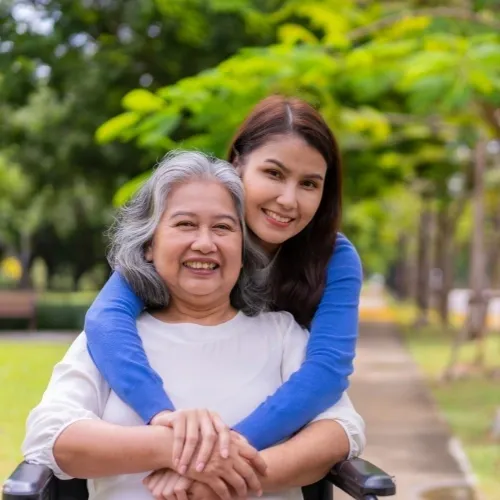
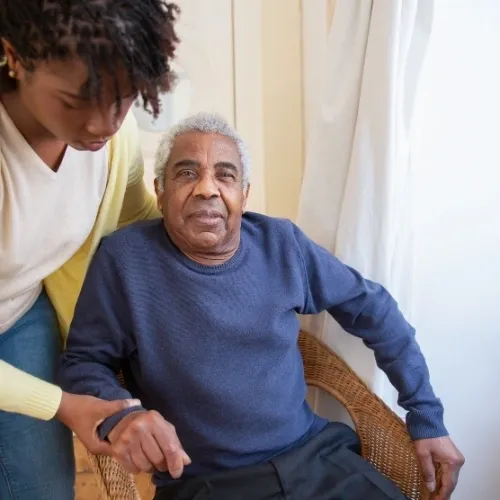
    As we or our loved ones grow older, deciding on the best living arrangement becomes a crucial task. Each option—aging at home, senior assisted living, and skilled nursing facilities—offers unique benefits and challenges. Understanding these differences can help in making an informed choice that aligns with the needs and preferences of the elderly individual.

    Aging at Home

    Pros:

    • Familiarity and Comfort: Aging at home allows seniors to stay in their familiar environment, surrounded by personal belongings and memories.
    • Independence: Many older adults prefer the autonomy and independence that come with staying in their own home.
    • Personalized Care: Home care services can be tailored to meet specific needs, from daily activities to medical care.

    Cons:

    • Isolation: Seniors living alone might experience loneliness and social isolation, which can affect mental health.
    • Home Modifications: Homes often need modifications (like ramps or grab bars) to accommodate mobility issues, which can be costly.
    • Caregiver Stress: Family members who provide care might experience significant stress and burnout over time.

    Senior Assisted Living

    Pros:

    • Social Interaction: Assisted living communities offer numerous social activities and communal spaces, promoting social engagement.
    • Safety and Security: These facilities are designed with seniors’ safety in mind, reducing the risk of falls and accidents.
    • Personalized Assistance: Residents receive help with daily activities such as bathing, dressing, and medication management, while still maintaining a degree of independence.

    Cons:

    • Cost: Assisted living can be expensive, and costs vary widely depending on location and level of care required.
    • Adjusting to Change: Moving to a new environment can be challenging for some seniors, leading to feelings of displacement.
    • Limited Medical Care: While staff can assist with daily activities and some medical needs, they are not equipped to handle serious health conditions.

    Skilled Nursing Facilities

    Pros:

    • Comprehensive Medical Care: Skilled nursing facilities provide round-the-clock medical care from licensed professionals, suitable for those with chronic illnesses or severe health conditions.
    • Rehabilitation Services: Many facilities offer physical, occupational, and speech therapy services, which are essential for recovery after surgery or illness.
    • Structured Environment: These facilities have structured routines and activities designed to promote physical and mental well-being.

    Cons:

    • Higher Costs: Skilled nursing care is typically more expensive than other options due to the intensive medical services provided.
    • Loss of Independence: The highly supervised environment can feel restrictive, limiting the independence of residents.
    • Institutional Atmosphere: The clinical setting might feel less personal and more institutional, which can affect emotional well-being.

    Making the Right Choice

    Choosing the right living arrangement depends on various factors, including health status, level of independence, financial situation, and personal preferences. Here are some considerations to help guide the decision:

    1. Health Needs: Evaluate the medical and daily care needs of the individual. Those with significant health issues may benefit more from skilled nursing facilities, whereas those needing minimal assistance might prefer aging at home or assisted living.

    2. Social Needs: Consider the social aspect. Seniors who thrive on social interaction might enjoy the community environment of assisted living, while those preferring solitude may be happier at home.

    3. Financial Resources: Assess the financial situation. Aging at home can be the most cost-effective if modifications and home care services are manageable. Assisted living and skilled nursing facilities can be more expensive but offer comprehensive services that might justify the cost.

    4. Personal Preferences: Take into account the personal wishes of the senior. Their comfort, happiness, and sense of autonomy are paramount in making this decision.

    Ultimately, the choice between aging at home, senior assisted living, and skilled nursing facilities should be a collaborative decision involving the senior, their family, and healthcare professionals. By carefully weighing the pros and cons of each option, families can find the best fit that ensures safety, happiness, and quality of life for their loved ones.

  • Celebrating Joyfully and Thoughtfully: Tips for Making the Holidays Special for Seniors

    Celebrating Joyfully and Thoughtfully: Tips for Making the Holidays Special for Seniors

    As the holiday season approaches, it’s essential to extend special consideration and care to seniors, ensuring they feel cherished and included during festive celebrations. Here are some thoughtful tips on helping seniors navigate and enjoy the holidays:

    1. Inclusive Planning: Involve seniors in holiday planning discussions. Ask about their preferences, traditions, and any adjustments needed to make the festivities enjoyable. This collaborative approach fosters a sense of inclusion and ensures their comfort.
    2. Simplify Decorations: While festive decorations add cheer, opt for simplicity to avoid overwhelming seniors. Consider their comfort and safety by avoiding tripping hazards and maintaining a well-lit environment. Include decorations that evoke positive memories or have personal significance.
    3. Create Comfortable Spaces: Designate comfortable and easily accessible seating areas, especially if hosting gatherings. This allows seniors to participate in festivities without physical strain and encourages social interaction.
    4. Share Memories: Encourage the sharing of holiday memories. Whether through storytelling, looking at photo albums, or creating new memories, this not only provides a sense of connection but also allows seniors to contribute to the joyous atmosphere.
    5. Thoughtful Gift Giving: Choose gifts that align with seniors’ interests, hobbies, or practical needs. Consider items that enhance comfort, such as cozy blankets or books. Personalized and thoughtful gifts show that you’ve considered their unique preferences.
    6. Embrace Technology: If physical distance hinders in-person gatherings, utilize technology to connect with seniors. Virtual celebrations, video calls, or sharing digital photo albums can bridge the gap and ensure they feel part of the festivities.
    7. Plan Manageable Activities: Organize activities that cater to the abilities and preferences of seniors. This could include simple crafts, holiday music sessions, or enjoying festive movies. Ensure activities are enjoyable and not physically or cognitively taxing.
    8. Be Mindful of Dietary Restrictions: Consider dietary restrictions or preferences when planning meals. Providing options that accommodate their health needs ensures seniors can partake in the joy of holiday feasts without compromising their well-being.
    9. Schedule Rest Breaks: Recognize the importance of rest for seniors. Plan events with breaks to prevent fatigue and allow time for rest if needed. A well-paced celebration ensures everyone can fully enjoy the holiday spirit.
    10. Express Gratitude: Take moments to express gratitude and acknowledge the presence of seniors during holiday celebrations. A heartfelt thank-you and recognition of their contributions enhance the sense of belonging and appreciation. By incorporating these tips, we can create a holiday season that is not only festive but also inclusive and meaningful for seniors. It’s a time to celebrate their wisdom, experiences, and the joy they bring to our lives during this special time of year.
  • Saluting Service: The Crucial Role of Caregivers in Honoring Veterans in Senior Communities

    Saluting Service: The Crucial Role of Caregivers in Honoring Veterans in Senior Communities

    Honoring our veterans in senior communities is not merely a gesture of gratitude but a profound acknowledgment of their sacrifices, courage, and service to the nation. As seniors who have dedicated a significant part of their lives to defending freedom and upholding values age in communities, caregivers play a pivotal role in ensuring their contributions are recognized and appreciated.

    Beyond the physical aspects of care, caregivers act as advocates for veterans, promoting an atmosphere of gratitude and understanding within the community.

    Caregivers can organize events, activities, and ceremonies that specifically honor veterans. This could include commemorating military holidays, arranging visits from local veterans’ organizations, or creating spaces for veterans to share their stories. By actively involving veterans in these activities, caregivers enhance their sense of purpose and community connection.

    Moreover, caregivers offer a supportive and empathetic presence, recognizing the potential challenges that veterans may face, including those related to their service. This understanding fosters trust and allows caregivers to provide more personalized and respectful care, acknowledging the unique needs and experiences of each veteran.

    In essence, honoring veterans in senior communities is a collective responsibility, and caregivers serve as the linchpin in creating an environment that pays homage to their service. Through intentional recognition, caregivers contribute not only to the well-being of individual veterans but also to the cohesion and vibrancy of the entire senior community.

  • Guiding Light: The Compassionate Role of Caregivers in Providing Vital Hospice Support

    Guiding Light: The Compassionate Role of Caregivers in Providing Vital Hospice Support

    Caregivers are the unsung heroes in the realm of hospice care, playing a vital and compassionate role in supporting individuals and their families during one of life’s most challenging transitions. As individuals approach the end of life, caregivers become the pillars of strength, providing not only physical assistance but also emotional support and comfort.

    1. Physical Care: Caregivers in hospice support are trained to address the practical needs of individuals facing terminal illnesses. From administering medications to managing pain and ensuring personal care, caregivers play a crucial role in enhancing the quality of life in the final stages.
    2. Emotional Support: Navigating end-of-life care is an emotional journey, both for the individuals and their families. Caregivers offer a compassionate presence, providing comfort and understanding during moments of fear, grief, and reflection. Their empathetic approach fosters a sense of peace and emotional well-being.
    3. Enhancing Quality of Life: Caregivers focus on improving the quality of life for those in hospice care. Whether it’s facilitating enjoyable activities, creating a comforting environment, or simply being a companion during challenging times, caregivers contribute to making each moment meaningful.
    4. Facilitating Communication: Effective communication is a cornerstone of hospice support, and caregivers excel in facilitating open and honest discussions. They help individuals express their wishes, address concerns, and foster connections with loved ones, creating an environment of understanding and acceptance.
    5. Respecting Dignity and Autonomy: Caregivers prioritize preserving the dignity and autonomy of individuals in hospice care. They recognize the unique needs and preferences of each person, ensuring that care is personalized and respectful of their journey.
    6. Supporting Families: Caregivers extend their support beyond the individual to embrace families navigating end-of-life experiences. They offer guidance, resources, and a compassionate presence to family members, helping them cope with the emotional and practical aspects of saying goodbye.
    7. Collaborating with Hospice Teams: Caregivers work in collaboration with hospice teams, including nurses, social workers, and other healthcare professionals. This collaborative approach ensures comprehensive care that addresses the physical, emotional, and spiritual dimensions of the end-of-life journey. In essence, caregivers in hospice support embody compassion, empathy, and dedication. Their role extends far beyond routine tasks; they become companions, advocates, and sources of solace, creating an environment where individuals can find peace and comfort as they approach the end of life. The invaluable contributions of caregivers in hospice support make a profound impact on the lives they touch during this sensitive and significant time.
  • Summer Serenity: A caregiver’s Guide to Navigating the Season with Seniors

    Summer Serenity: A caregiver’s Guide to Navigating the Season with Seniors

    As summer approaches, caregivers play a crucial role in ensuring that seniors not only enjoy the season but also navigate its unique challenges with comfort and safety. Here are essential tips for caregivers on how to provide optimal support during the summer months:

    1. Hydration is Key: Seniors are more susceptible to dehydration, especially in warm weather. Caregivers should encourage and monitor adequate fluid intake. Providing refreshing beverages, incorporating hydrating fruits, and setting a regular schedule for water breaks contribute to overall well-being.
    2. Sun Safety: Protecting seniors from the sun’s harmful rays is paramount. Caregivers should ensure they wear appropriate clothing, including hats and sunglasses, and use sunscreen with a high SPF. Plan outdoor activities in the early morning or late afternoon to avoid peak sun hours.
    3. Stay Cool Indoors: Maintain a cool indoor environment, especially during heatwaves. Use fans, air conditioning, or create shaded areas to prevent overheating. Caregivers can organize indoor activities to keep seniors engaged and comfortable during warmer periods.
    4. Comfortable Clothing: Choose loose-fitting, breathable clothing for seniors to enhance comfort. Light-colored fabrics reflect rather than absorb sunlight, helping to keep the body cool. Adequate ventilation and comfortable attire contribute to a more enjoyable summer experience.
    5. Plan Seasonal Activities: Tailor activities to the season while considering the seniors’ preferences and abilities. Whether it’s a leisurely stroll in a shaded park, enjoying a cool treat, or participating in low-impact outdoor exercises, planning summer-appropriate activities fosters a positive and engaging atmosphere.
    6. Maintain Regular Health Checkups: Regular health checkups become even more crucial in the summer. Caregivers should stay vigilant for signs of heat-related illnesses and monitor any changes in seniors’ health. Consult healthcare professionals promptly if concerns arise.
    7. Adequate Nutrition: Summer is an ideal time to incorporate fresh, hydrating fruits and vegetables into seniors’ diets. Light and nutritious meals, rich in water content, contribute to overall health. Consider consulting a nutritionist for personalized dietary recommendations.
    8. Insect Protection: Protect seniors from insect bites by using repellent and ensuring that outdoor areas are free from standing water, which can attract mosquitoes. Caregivers should regularly check for any signs of bites or skin irritation. Navigating through summer with seniors requires a combination of vigilance, thoughtful planning, and an understanding of their unique needs. Caregivers who prioritize hydration, sun safety, comfort, and engaging activities create an environment where seniors can embrace the warmth of summer with joy and well-being.
  • Pressure Ulcers: Awareness, Prevention, and Care

    Pressure Ulcers: Awareness, Prevention, and Care

    Pressure ulcers, commonly known as bedsores, are areas of damaged skin and tissue that develop when sustained pressure on the skin restricts blood flow. Primarily affecting areas with bony prominences, such as the heels, hips, and tailbone, pressure ulcers pose a significant risk for individuals with limited mobility, especially seniors.

    Things to Look Out For:

    Identifying pressure ulcers in their early stages is crucial for effective prevention and treatment. Watch for signs such as redness, discoloration, or changes in skin texture. If left untreated, pressure ulcers can progress to more severe stages, characterized by open sores, infections, and damage to deeper tissues.

    Ways to Prevent and Treat:

    Preventing pressure ulcers involves a multifaceted approach. Regular repositioning, maintaining good hygiene, and providing supportive surfaces, such as pressure-relieving cushions, can help alleviate risk. Adequate nutrition and hydration are also essential for skin health. In the event of pressure ulcers, prompt treatment is vital. This includes keeping the affected area clean, applying appropriate dressings, and, if necessary, seeking medical assistance. Adjusting positioning and relieving pressure on the affected areas are integral to the healing process.

    Conclusion:

    Pressure ulcers represent a significant challenge for individuals with limited mobility, necessitating proactive measures for prevention and attentive care if they do occur. Vigilance in recognizing early signs, coupled with comprehensive prevention strategies and prompt treatment, is essential for maintaining the skin health and overall well-being of individuals at risk. Caregivers play a crucial role in this process, actively implementing preventive measures and ensuring timely intervention to protect the vulnerable populations they serve.

  • Easter Joy: How Caregivers Elevate Celebrations for Seniors

    Easter Joy: How Caregivers Elevate Celebrations for Seniors

    Celebrating Easter with seniors is an opportunity to infuse joy, tradition, and a sense of community into their lives. Caregivers, with their compassionate approach, play a vital role in ensuring that the festivities are not only enjoyable but also tailored to the unique needs and preferences of the seniors under their care.

    1. Creating a Festive Atmosphere: Caregivers contribute to the Easter celebration by transforming living spaces into festive havens. Decorations, vibrant colors, and Easter-themed elements help create an environment that radiates warmth and holiday cheer. This visual stimulation enhances the overall mood and brings a sense of connection to the festivities.
    2. Inclusive Planning: Caregivers involve seniors in the planning process, encouraging them to share their Easter traditions, preferences, and memories. Whether it’s incorporating familiar recipes, engaging in crafts, or participating in religious observances, the inclusive planning ensures that the celebration aligns with the seniors’ desires.
    3. Meaningful Activities: Crafting Easter-related activities that cater to the abilities and interests of seniors is a key aspect of caregivers’ contributions. From decorating eggs and arranging Easter egg hunts to participating in music or storytelling sessions, caregivers organize activities that bring joy and a sense of accomplishment to the seniors.
    4. Special Easter Meals: Caregivers go the extra mile by preparing or organizing special Easter meals. These meals not only cater to dietary restrictions but also incorporate the flavors and traditions associated with Easter. Sharing a festive meal becomes a time of communal joy and connection.
    5. Facilitating Social Interaction: Easter is a time for socializing and building connections. Caregivers actively facilitate social interaction among seniors, encouraging shared experiences and creating an atmosphere of togetherness. Whether through group activities or virtual connections with family and friends, the focus is on fostering meaningful connections.
    6. Offering Emotional Support: Recognizing that holidays can evoke a range of emotions, caregivers provide emotional support during Easter celebrations. They offer a listening ear, share in the seniors’ reflections, and provide comfort when needed. This emotional support is an integral part of ensuring a positive and enjoyable holiday experience. In essence, caregivers play a central role in making Easter memorable for seniors. Throughtheir thoughtful planning, inclusive approach, and genuine care, caregivers contribute to creating an Easter celebration that is not only festive but also meaningful, fostering a sense of belonging and happiness among the seniors they serve.
  • Heartfelt Celebrations: Making Valentine’s Day Special for Seniors

    Heartfelt Celebrations: Making Valentine’s Day Special for Seniors

    Valentine’s Day is a wonderful opportunity to celebrate love and connection, and seniors deserve to be a vibrant part of the festivities. Here are some heartwarming ways to make Valentine’s Day special for seniors:

    1. Handmade Cards: Encourage family members, friends, or even younger generations to create personalized handmade cards. These thoughtful gestures convey love and warmth, brightening the seniors’ day.
    2. Memory Lane: Create a nostalgic journey by revisiting old photos, love letters, or memorabilia. Reminiscing about cherished memories allows seniors to relive beautiful moments and fosters a sense of connection.
    3. Virtual Connections: For those separated by distance, organize virtual gatherings. Video calls with loved ones, sharing stories, and exchanging virtual hugs create a sense of togetherness despite physical separation.
    4. Decorate Living Spaces: Transform living spaces with Valentine’s Day decorations. Vibrant colors, heart-shaped ornaments, and themed décor contribute to a festive atmosphere, uplifting spirits and infusing joy into the surroundings.
    5. Sweet Treats: Indulge in the sweetness of the day by preparing or gifting heart-shaped treats. Whether it’s homemade cookies, chocolates, or a favorite dessert, these delights add a delightful touch to the celebration.
    6. Musical Moments: Organize a musical interlude featuring favorite tunes from the past. Music has a unique ability to evoke emotions and spark memories, creating a beautiful and heartwarming experience for seniors.
    7. Flower Power: Bouquets of flowers have an enduring charm. Whether it’s a single rose or a vibrant arrangement, the beauty and fragrance of flowers bring nature’s love indoors, creating a visually appealing and sensory-rich environment.
    8. Intergenerational Activities: Engage in activities that involve different generations. Whether it’s crafting, playing games, or storytelling, the intergenerational exchange creates a heartening atmosphere of shared joy and laughter.
    9. Spa Day at Home: Pamper seniors with a relaxing spa day at home. Treatments like gentle massages, soothing facials, or even a warm bath infused with fragrant oils can provide a luxurious and rejuvenating experience.
    10. Thoughtful Gifts: Select gifts that cater to seniors’ interests and needs. It could be a cozy blanket, a book by a favorite author, or even a potted plant. Thoughtful gifts demonstrate consideration and enhance the sense of being cherished. Valentine’s Day for seniors is an opportunity to celebrate enduring love, meaningful connections, and the richness of life’s experiences. Whether through virtual hugs or tangible gifts, the day can be filled with warmth, joy, and the reminder that love is ageless.
  • Empowering Awareness: Understanding the Symptoms of Breast Cancer for Early Detection

    Empowering Awareness: Understanding the Symptoms of Breast Cancer for Early Detection

    Educating oneself about the symptoms of breast cancer is a crucial step in promoting early detection and improving outcomes. While breast cancer manifests differently in each individual, being aware of common signs empowers individuals to take charge of their health.

    1. Changes in Breast Tissue: Any noticeable changes in the size, shape, or appearance of the breast should be promptly examined. This includes the development of lumps, swelling, or dimpling of the skin. Regular self-examinations are valuable in identifying these changes early on.
    2. Breast Pain or Discomfort: While breast pain is not always indicative of cancer, persistent or unexplained discomfort warrants attention. Pay attention to any pain that doesn’t correlate with the menstrual cycle or persists over time.
    3. Changes in Nipple Appearance: Changes in the nipple, such as inversion, sudden asymmetry, or discharge (other than breast milk), can be potential signs of breast cancer. Any unusual nipple changes should be discussed with a healthcare professional.
    4. Skin Changes: Unexplained changes in the skin texture, redness, or scaliness on the breast or nipple may indicate an underlying issue. Regularly inspecting the skin for abnormalities contributes to early detection.
    5. Swollen Lymph Nodes: Swelling or tenderness in the lymph nodes under the arm or around the collarbone may suggest the spread of breast cancer. Any persistent swelling should be evaluated by a healthcare provider.
    6. Changes in Breast Sensation: Alterations in sensation, such as itching or tenderness in the breast, should be monitored. While these changes may not always be cancer-related, discussing them with a healthcare professional is essential.
    7. Unexplained Weight Loss: Unexpected weight loss not attributable to diet or lifestyle changes should be investigated. While weight loss alone may not be specific to breast cancer, it can be a symptom when combined with other signs.
    8. Regular Screening and Mammograms: Lastly, regular breast screenings and mammograms are crucial for early detection, especially for those with a family history of breast cancer. Screening allows healthcare professionals to identify abnormalities before symptoms manifest. Educating oneself about these symptoms empowers individuals to recognize potential warning signs and seek timely medical attention. Regular breast self-examinations, coupled with routine screenings, create a proactive approach to breast health, promoting early detection and ultimately saving lives.
  • Navigating the Early Stages of Alzheimer’s: A Caregiver’s Compass for Family Support

    Navigating the Early Stages of Alzheimer’s: A Caregiver’s Compass for Family Support

    The early stages of Alzheimer’s present unique challenges for both individuals facing the diagnosis and their families. Recognizing the initial signs, such as mild memory loss and difficulty with familiar tasks, allows for timely intervention and the implementation of supportive strategies.

    1. Open Communication: Establishing open communication within the family is crucial. Encourage discussions about the diagnosis, emotions, and expectations. Understanding that Alzheimer’s is a shared journey helps foster a united front in providing care and support.
    2. Educate Yourself: As a caregiver, educating yourself about Alzheimer’s is empowering. Understanding the progression of the disease, available resources, and effective caregiving techniques equips you to navigate the challenges that may arise.
    3. Create a Safe Environment: Modify the home environment to enhance safety and reduce potential hazards. This includes removing tripping hazards, installing handrails, and ensuring a clear and organized living space that promotes independence.
    4. Establish Routines: Routine becomes a stabilizing force in the face of Alzheimer’s. Establishing daily schedules helps individuals feel more secure and capable, minimizing confusion and anxiety associated with memory loss.
    5. Encourage Mental Stimulation: Engage individuals in activities that stimulate cognitive function. Puzzles, memory games, and hobbies can provide mental stimulation and contribute to maintaining cognitive abilities in the early stages.
    6. Seek Professional Guidance: Consulting healthcare professionals and Alzheimer’s support networks is essential. These resources offer guidance on managing symptoms, accessing appropriate care, and connecting with others experiencing similar challenges.
    7. Foster Emotional Well-being: Prioritize emotional well-being for both the individual with Alzheimer’s and caregivers. Encourage activities that bring joy, such as listening to music, enjoying nature, or participating in art therapy. Emotional well-being is a cornerstone of a holistic care approach.
    8. Plan for the Future: While it may be challenging, early planning for the future is essential. Discuss legal and financial matters, including advanced care directives, to ensure that the individual’s wishes are respected as the disease progresses. In the early stages of Alzheimer’s, caregivers play a pivotal role in creating a supportive and understanding environment. By implementing these strategies, families can navigate the challenges with compassion, maintain the individual’s dignity, and enhance the overall quality of life for everyone involved.